
Why treating timber matters: do I need to treat my new shed or fence?
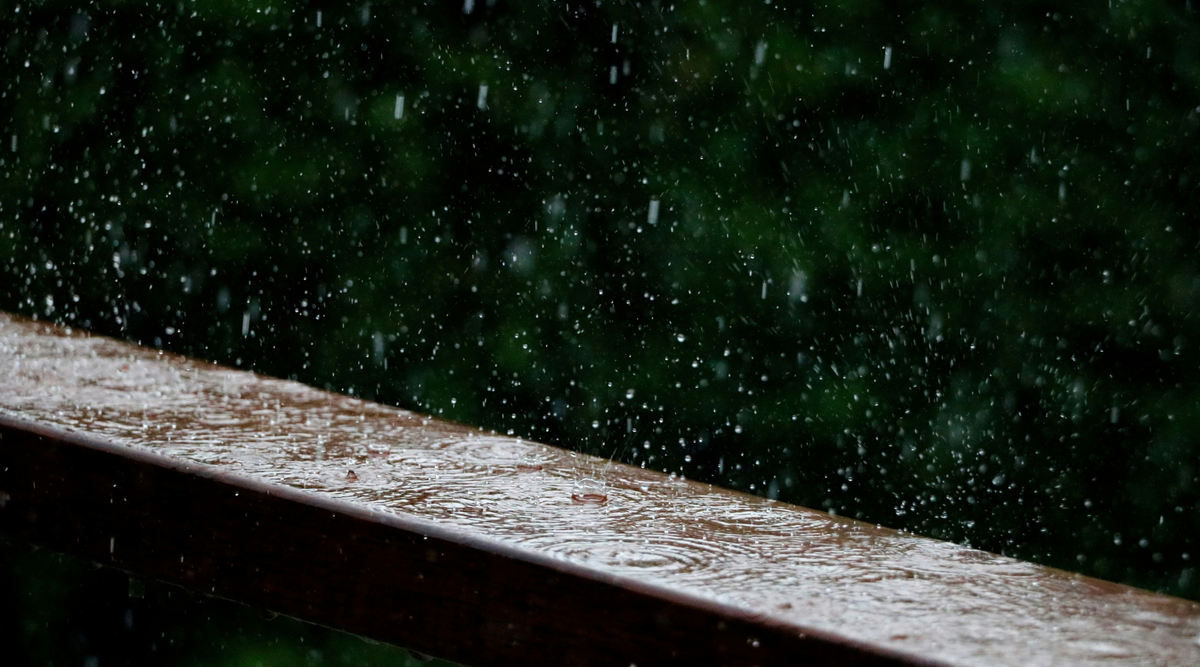
A new shed or fence is a real investment, and as the evenings draw in and the rain symbol takes over the weather forecast, it's also the time of year when untreated timber starts to suffer. So, do you need to treat it?
The short answer
In most cases, yes, and the sooner the better. Here's what matters most:
- Rot: Timber that stays damp for prolonged periods is at greater risk of fungal decay. Untreated wood can absorb moisture, and persistently damp conditions can create the environment that decaying fungi need to develop
- Carbon: As timber decays, some of the carbon stored in the wood is gradually returned to the atmosphere. Keeping timber products in use for longer helps retain that stored carbon for longer
- Already treated: "Treated" doesn't always mean protected for the long term. Pressure-treated timber is protected from rot and fungal decay, but other treatments may not last as long
- Cut ends: If pressure-treated timber has been cut to size, the cut ends need an end seal to keep that protection in place
- Weather: You don't need a perfect week of dry weather. A short dry window can be enough
- Not every job needs a preserver: Timber that isn’t in contact with the ground doesn’t always need one, but a coating can keep it looking fresh or change the colour
Read on for the full detail behind each of these.
Why does untreated timber rot?
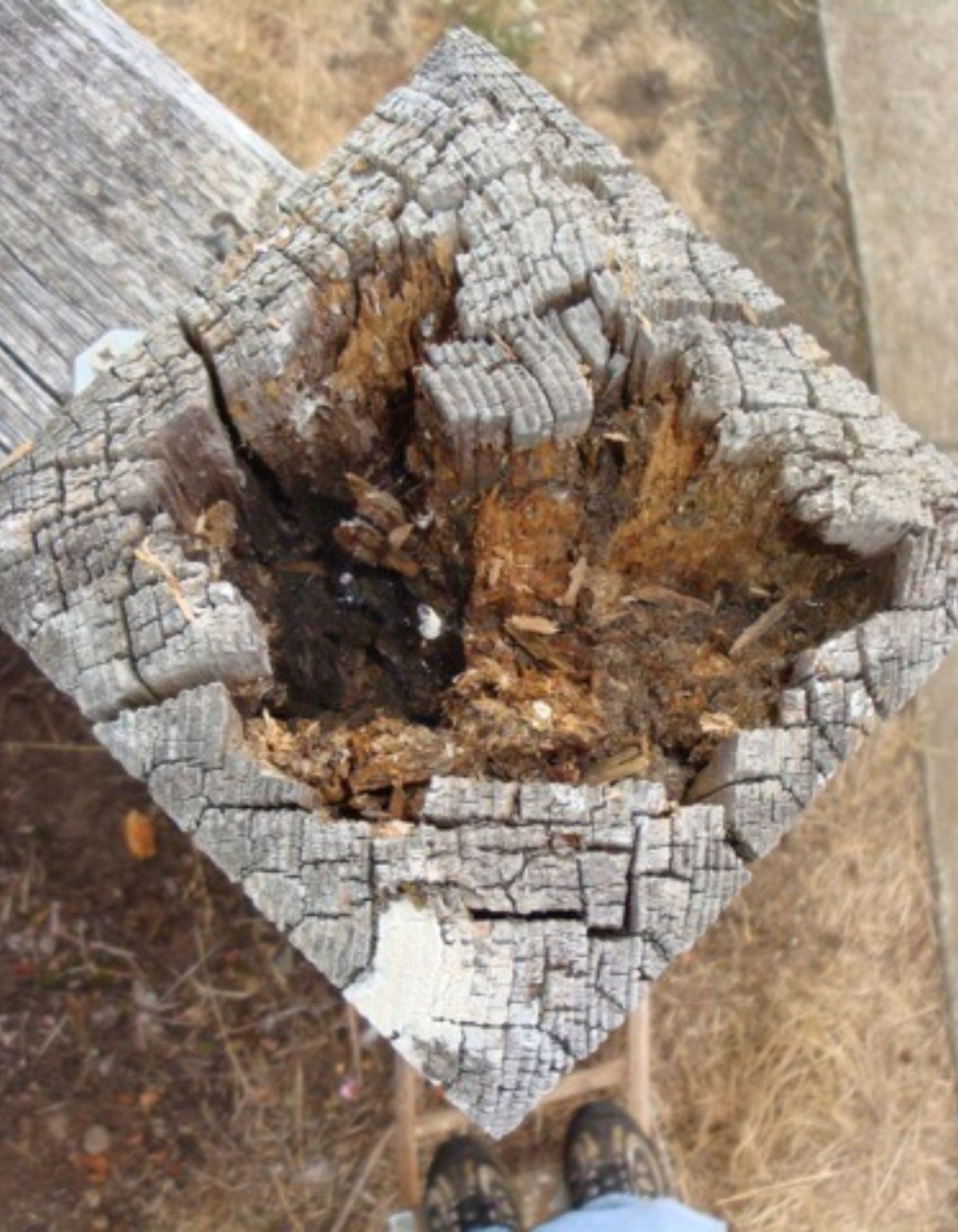
Wood is a natural material, and like all natural materials, it breaks down over time. When timber stays wet, decay fungi can take hold. They gradually break the wood down, weakening it until it becomes soft and crumbly.
Rain is the real risk here, not the cold. Through autumn and winter, driving rain soaks into bare or poorly protected timber. Through autum and winter, repeated exposure to driving rain can cause bare or poorly protected timber to absorb significant amounts of moisture. Timber that remains damp for prolonged periods is at greater risk of fungal decay.
Decay often develops first in areas that remain damp for longest, particularly timber in or close to ground contact, end grain, joints and other places where water can collect.
You may also notice untreated timber turning grey. That’s sunlight and rain breaking down the surface of the wood, and it doesn’t mean your timber is rotting. You can read more about why it happens in our guide to greying wood.
Why looking after your timber is the greener choice
Every timber shed, fence or pergola is also a store of carbon, absorbed from the atmosphere while the tree was growing. That carbon stays in the wood for as long as the timber stays sound.
When timber rots, decay fungi break it down and release some of that carbon back into the atmosphere as carbon dioxide. Forest Research explains that how much carbon wood products store depends on how long they stay in use. In a woodland, decay is exactly what should happen. In your garden, it means losing timber that still had years of use left in it, along with the carbon it was holding.
There's a practical benefit too. Every year you add to the life of a fence or shed is a year you don't need to replace it, which means less demand for new materials and the manufacturing and transport that come with them.
Wood treatments have an environmental impact of their own, so the aim is to use the right protection where it's needed and look after it well. Choosing responsibly sourced wood is a good start. The longer your timber lasts, the better it is for your garden, your wallet and the environment.

What a treated shed or fence means
A lot of sheds and fences arrive with some form of treatment already, but not all treatments are the same.
Here are the different types of treatment.
Pressure-treated timber
Lots of outdoor timber comes pressure treated, which means a wood preservative has been impregnated into the timber under pressure to provide protection against wood-destroying fungi, in accordance with the timber's intended end use.
Timber intended for ground contact, such as fence posts, should be preservative treated to a specification suitable for that end use. Not all treated timber is suitable for ground contact, so always check the supplier's specification.
Pressure treatment doesn’t do everything, though. It doesn’t repel water, and the colour fades quickly, so a coating can help keep it looking its best and keep the rain out.
If pressure-treated timber has been cut to size, the cut ends need an end seal to keep the protection intact. ESP Timber is designed for exactly this, sealing the cut ends of posts, rails, gravel boards and decking.
Pressure treated timber comes in a soft golden brown or pale green colour, it usually costs more and should carry a treatment certificate.
Dip-treated and untreated timber
Dip-treated timber is usually a stronger colour than pressure treated timber, often orange or brown. It will give you around 6 to 12 months before it needs treating, so if you like the colour, there’s no rush.
Untreated timber, such as many log cabins, should be treated as soon as you’re able, so it isn’t left bare through the winter.
Does all timber need a wood preserver?
Not always. If your timber isn’t in contact with the ground, it doesn’t necessarily need a wood preserver. A fence panel, for example, can last its useful life without one.
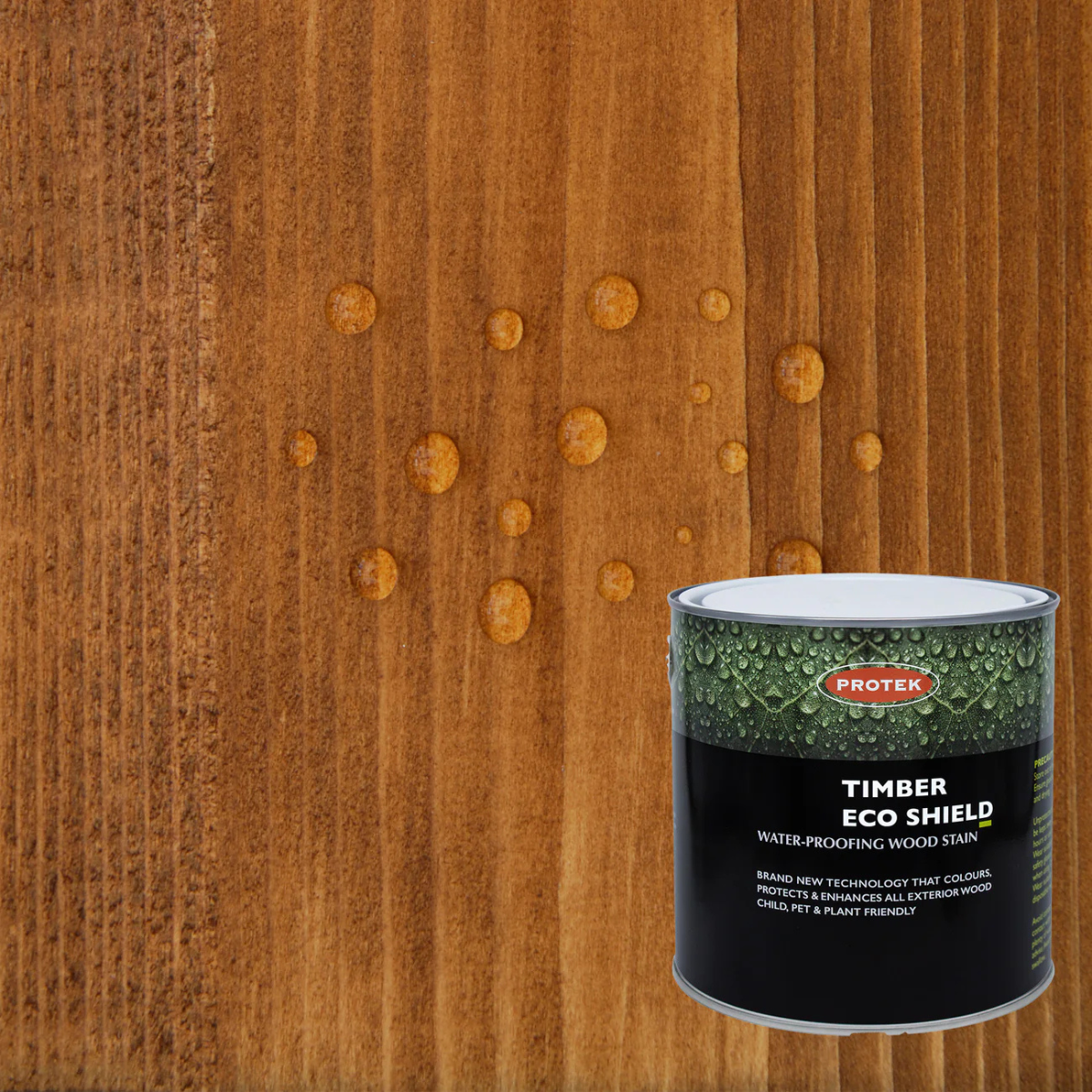
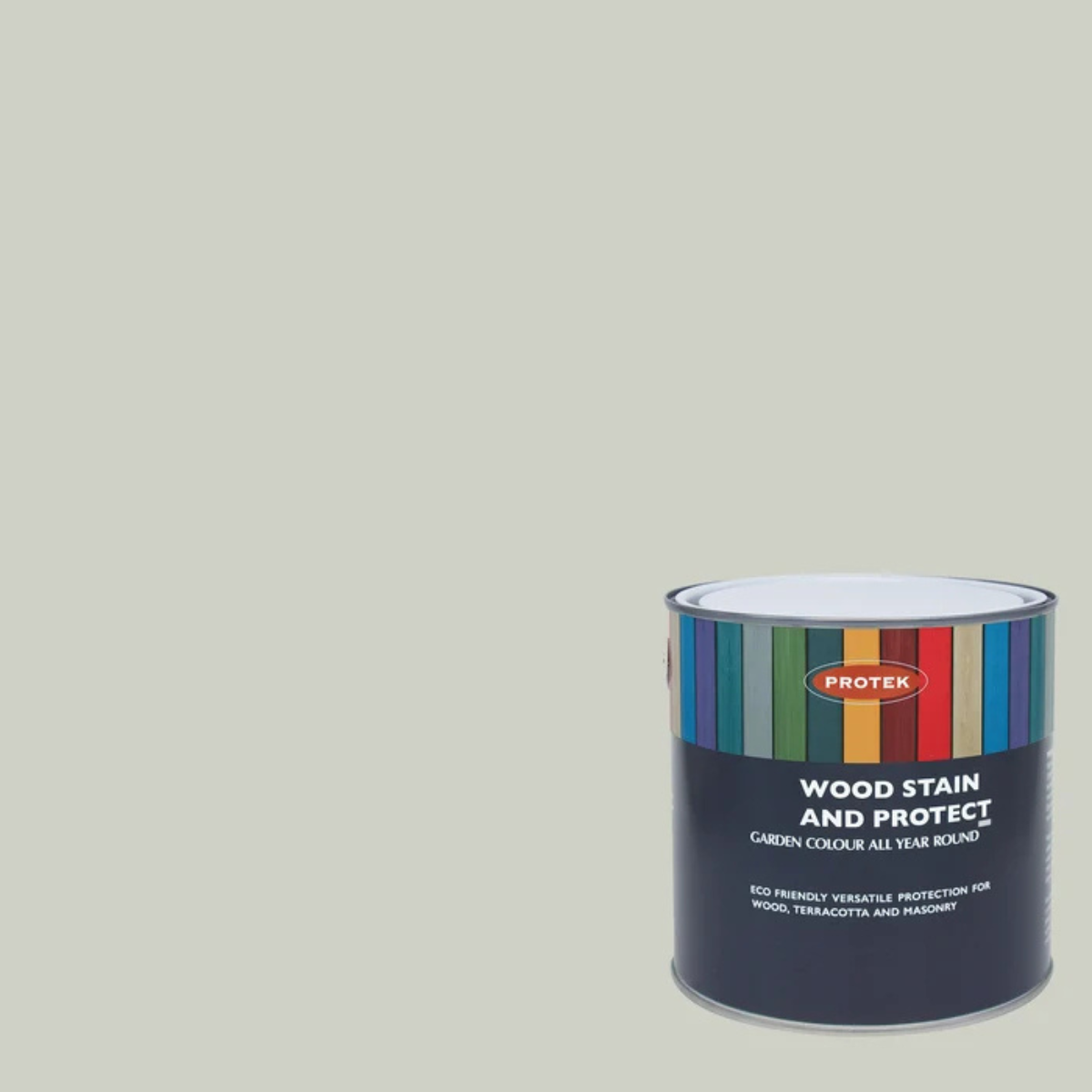
You may still want to treat it, though. Timber Eco Shield helps keep timber looking fresh and new, while Wood Stain & Protect lets you change the colour to suit your garden design or planting.
Timber Eco Shield
Wood Stain & Protect
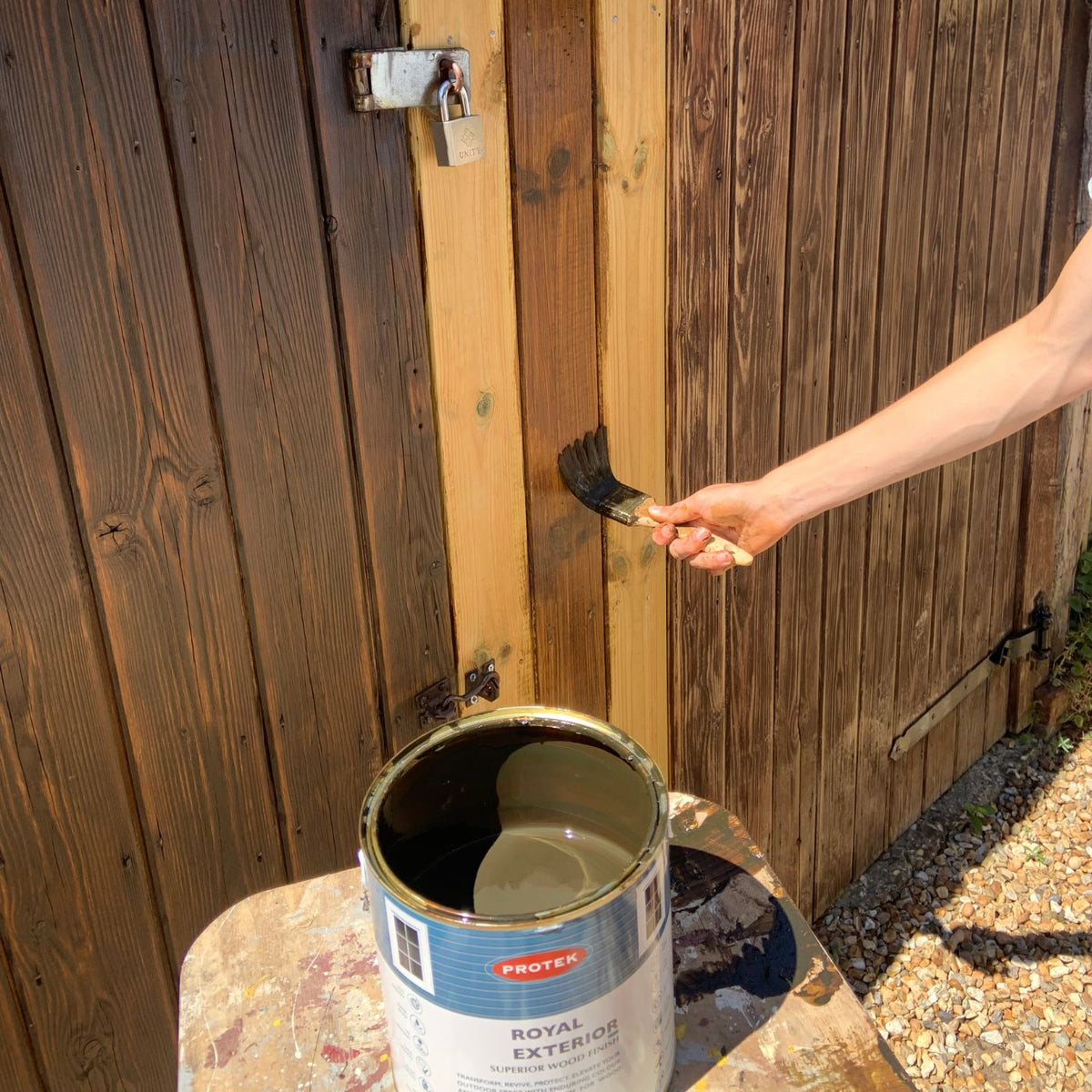
Wood preserver, topcoat or both?
When it comes to looking after timber, there are two different jobs to do.
A wood preserver works inside the wood. It soaks in and protects against the fungi that cause rot and decay. Wood Preserver ++ penetrates deep into the timber and also acts as a primer for a topcoat. Use biocides safely and always read the label and product information before use.
A topcoat works on the surface, keeping the rain out and, if you choose, adding colour.
If you’re using a wood preserver, we’d recommend applying your topcoat as soon as you’re able, rather than leaving the timber with just the preserver through the winter.
Which product should I use?
For new or bare timber, start with Wood Preserver ++, then finish with the topcoat that suits your project:
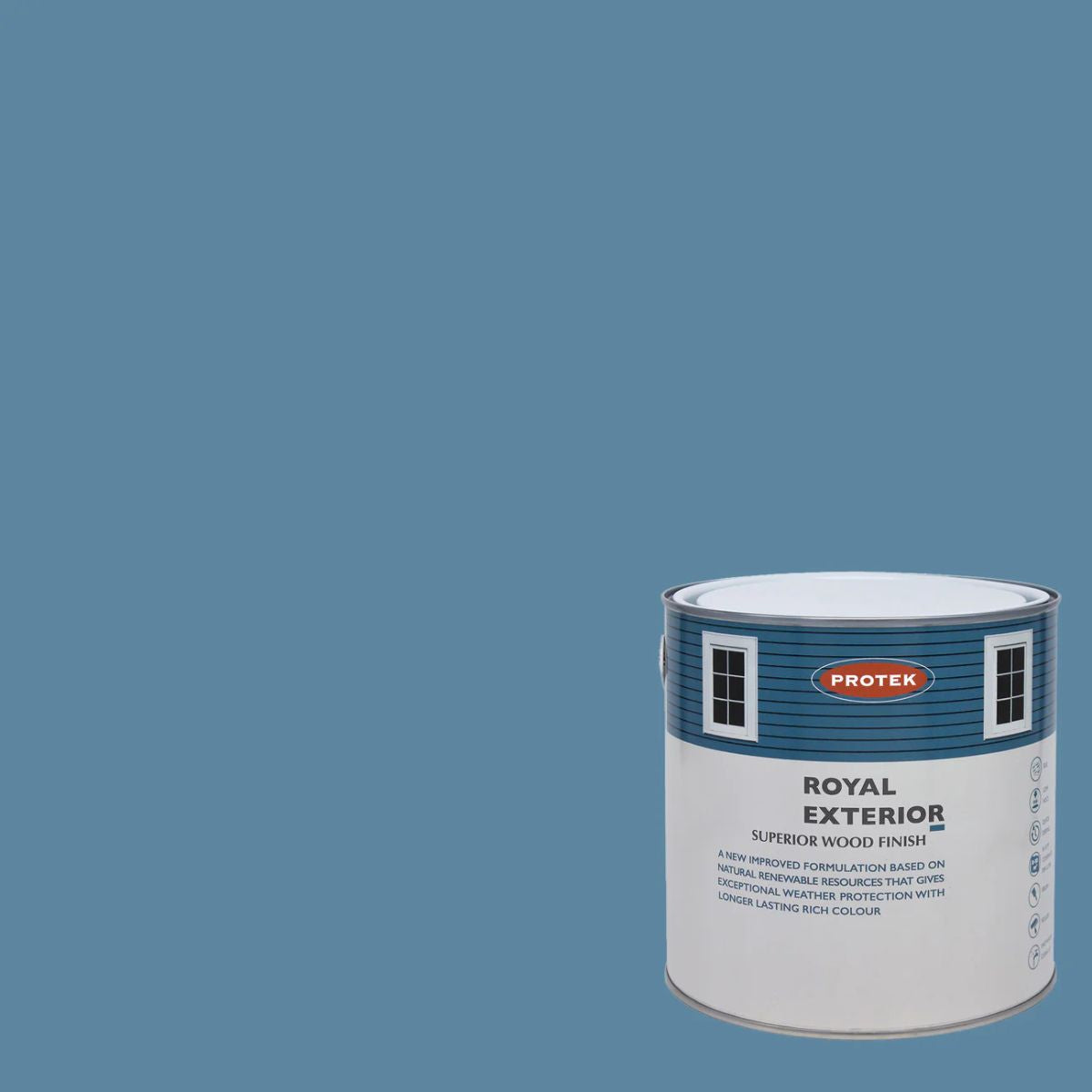
Royal Exterior
Our choice for sheds, cabins and exposed joinery. Best weather protection and our quickest drying option.
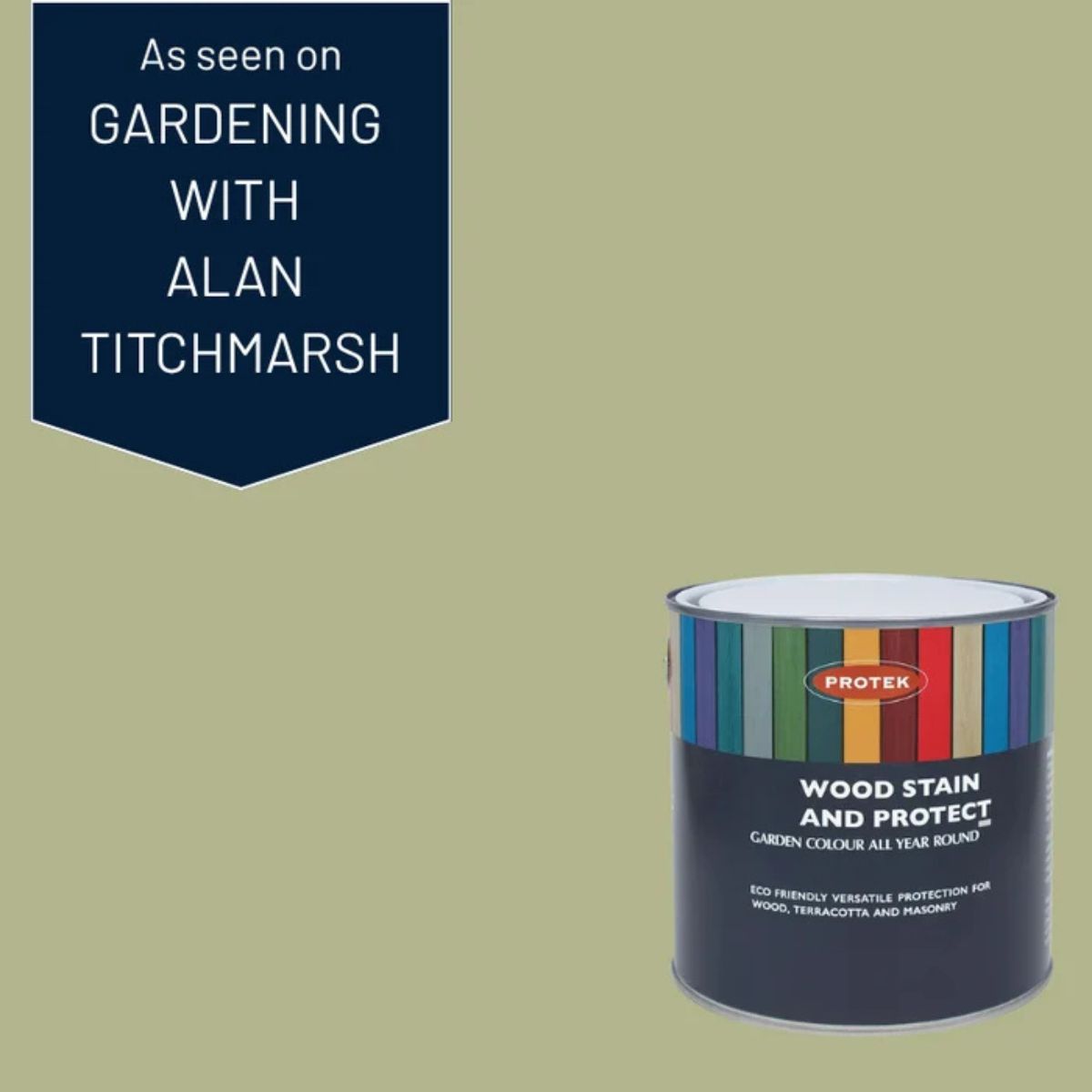
Wood Stain & Protect
A good value option, and lets you change the colour to suit your garden design or planting.
Timber Eco Shield
Helps keep your timber looking fresh and new, providing superior weather protection that's kind to the environment.
Water out, not water in: how our coatings protect your timber
All our coatings are wax enriched and microporous. They stop rain getting into your timber, but still let any moisture already in the wood escape as vapour, which helps them resist cracking and peeling. You can read more about how this works in our guide to painting outdoors in autumn and winter.

When's the best time to treat new timber?
New timber buildings are particularly worth treating promptly. As we mentioned above, untreated buildings shouldn’t be left bare through the winter, so it’s worth planning the job in as soon as yours is up.
You don't need a perfect week of dry weather, and your timber doesn't need to be bone dry. What matters is that its moisture content is below 20% and that it isn't saturated or frozen. Let any rain, frost or heavy dew dry off before you start. For the full detail on temperature, timing and drying, read our guide to painting outdoors in autumn and winter.
- Flat-packed buildings give you a head start. If your new shed or cabin arrives flat packed, you can treat the panels in a garage or other dry space before putting it up, so the weather doesn’t hold you up.
- Exposed sides can benefit from a little extra attention. Giving the side most exposed to wind and rain an extra coat is a simple way to boost its protection.
- Leaky sheds need a different approach. If water is getting into your shed, the source of the leak needs repairing first. A coating will protect the timber, but paint alone won't fix a leak.
Should you treat the inside of a shed too?
You don’t need to treat the inside of your shed to protect it. For a typical dry, well-ventilated garden shed, the internal surfaces generally don't require the same level of weather protection as the exterior. You may still choose to coat them to improve appearance and make the surface easier to keep clean.
It’s also a good job for a rainy day. If the weather’s set in, painting the inside of a dry shed means you’re still making progress while you wait for a better window outside.


When shouldn't you treat timber?
Some timbers need a different approach:
- Cedar is naturally resistant to decay, thanks to protective compounds in the wood. A suitable coating helps it keep its colour and reduces water uptake and weathering
- Green oak shrinks and may crack as it dries, so it can be left to weather before treating. If you’d rather coat it sooner, Royal Exterior applies well to green oak
It’s also best to hold off:
- When it’s saturated or frozen: Let the wood dry and fully thaw before coating
- When rain is due before the coating has dried: Give it the drying window stated on the label
- When it’s too cold or frost is forecast: Follow the product’s minimum application temperature, and allow for temperatures dropping as it dries
- In strong, direct sunshine or on hot timber: The coating may dry too quickly, making an even finish harder to achieve
- When there’s dew on the surface: Wait until it has dried, and avoid painting too late in the day when the evening damp returns
- When the surface is dirty, covered in algae or flaking: Clean and prepare it first
- When the timber is rotten: Repair or replace damaged sections before treating, because a coating won’t restore decayed wood
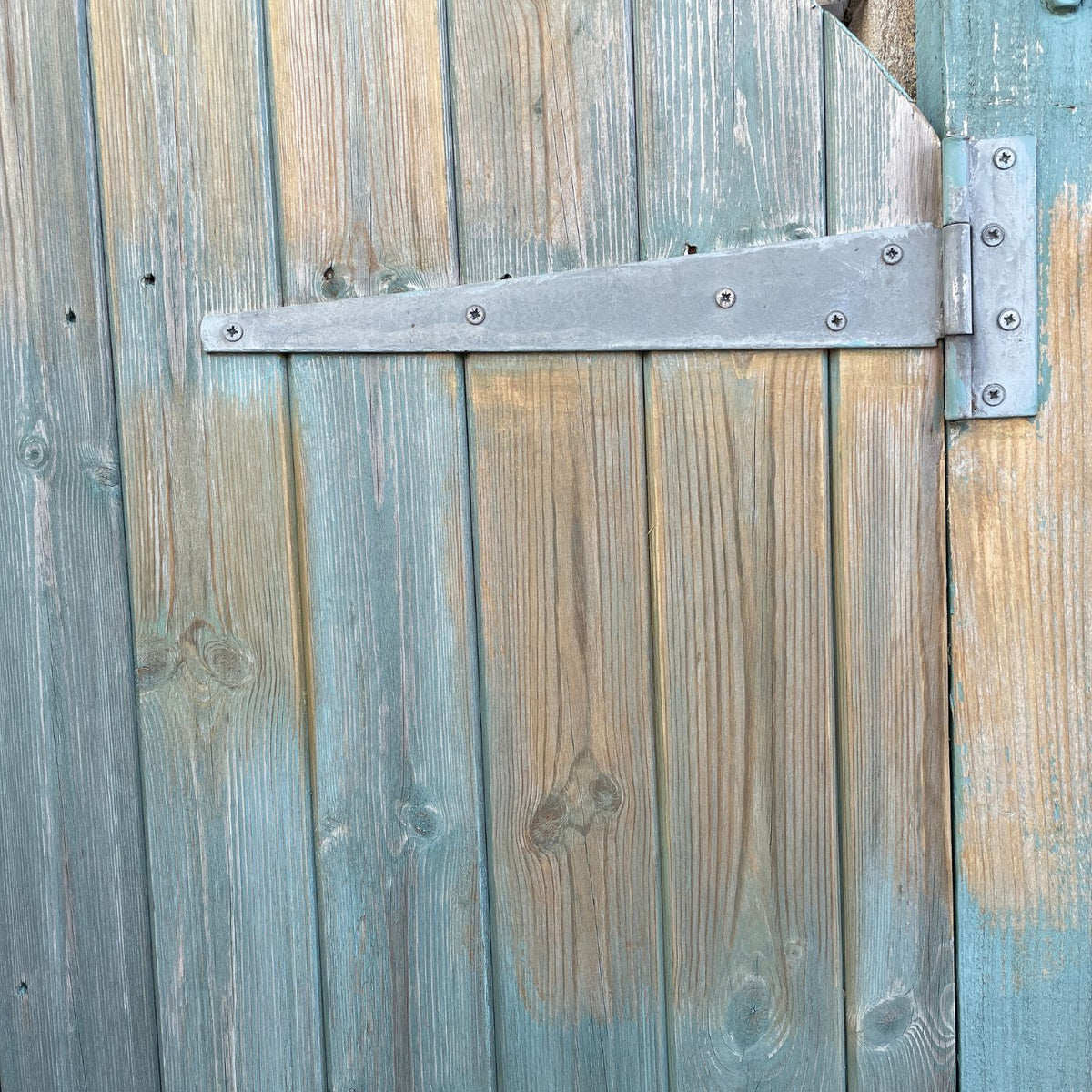
How often should you re-treat a shed or fence?
There’s no single answer, because it depends on which product you’ve used, how many coats you applied and how much weather your shed or fence faces. Rather than going by the calendar, it’s best to look for signs that it’s ready for a fresh coat.
Five signs your shed or fence needs a fresh coat
1. Faded or patch colour
If the finish is looking tired or wearing unevenly, check for thin areas, especially on the sides that catch the most sun and rain.
2. Peeling, flaking, cracking
Any loose coating needs removing, and the surface preparing, before you recoat. Painting over it won’t give a lasting result.
3. Rain soaking in quickly
If areas darken quickly when they get wet, water is soaking into the timber. Check these spots carefully, as water beading on the surface isn’t a reliable test for every coating.
4. Bare wood showing through
Exposed patches, particularly along edges and at the bottom of boards, are a clear sign it’s time for maintenance.
5. Green growth/damp patches
Algae and dirt can hide the condition of the coating underneath. Clean it first, let the timber dry, then decide whether it needs recoating.

Our top tip
Check your shed and fence each spring and autumn. A timely maintenance coat helps protect the timber before the existing finish wears away.
Before you start, make sure the timber is clean, sound and dry enough, and follow the preparation and weather guidance for your chosen product. If any wood is soft or crumbling, it needs repairing or replacing first, because paint won’t fix rot.
FAQ
In most cases, yes. Untreated timber takes on water, and wet timber is where rot starts. Treating it promptly, before the worst of the autumn and winter rain, helps it last. Timber that isn’t in contact with the ground doesn’t always need a wood preserver, but a coating can keep it looking fresh or change the colour.
Pressure-treated timber is already protected from rot and fungal decay, but it doesn’t repel water and its colour fades quickly, so a coating can help keep it looking its best and keep the rain out. Any cut ends need sealing with an end seal to keep that protection intact.
Fence posts in contact with the ground need to be pressure treated before they go in. If you've cut them to size, seal the cut ends with an end seal such as ESP Timber.
Yes. You don't need perfect weather, just the right conditions on the day. Avoid treating timber that's saturated or frozen, and look for a dry window in the forecast.
Timber doesn't need to be bone dry, but its moisture content should be below 20%. Don't treat saturated or frozen wood, and let surface water from rain, frost or dew dry off first.
Not sure what your timber needs?
Our timber coating specialists are here Monday to Friday with advice on choosing the right product, preparing your timber and getting the best results.
You can speak to the team Mon-Fri, 9am to 4:30pm on 01749 344 697, email us at Enquiries@ProtekProducts.co.uk or complete our contact form.