
At Protek, we love a bit of garden bird drama - blue tits scouting for real estate and robins claiming their patch. But habitat loss means that many of our favourite native birds are struggling to find a safe place to nest.
National Nest Box Week 2026, 14 – 21 February, is the perfect time to step in.
Whether you have a rolling garden or a smaller outside space, putting up a nest box is an easy and brilliant way to support and learn - install a camera and you can bring a bit of Springwatch to your own outdoor space!
Our favourite wildlife friend Kate MacRae, known as WildlifeKate, is a passionate, experienced enthusiast supporting our feathered friends. In collaboration with Protek, she’s put together an essential Protek nest box guide …
Why Do Nesting Birds Need Our help?
Putting up a nest box is a fabulous way for you to help the birds in your garden and also gives you the chance to watch and learn more about the species that might take up residence.
With lost habitats, modern building types and dead trees being removed, many species really struggle to find somewhere to nest and will take readily to a purpose-built home for them!
Many of our common garden birds will happily take to a standard, rectangular ‘traditional’ nest box, most commonly blue and great tits.
Some species are really struggling so if you can provide a suitable home for these, you can really make a difference! Generally, it’s the cavity-nesting birds, like swifts, house sparrows and house martins that need our help as they would have traditionally nested in holes in trees or in gaps in building eaves.
What Species of Birds most need Nest Boxes?
Some species are seriously declining and need our help, so providing a nest box of any kind can benefit birds, although different species have distinct architectural tastes:
· A rectangular box with a 25mm hole is suitable for small birds like blue tits, while a 28mm hole accommodates blue and great tits, and a 32mm hole allows larger species such as sparrows

· Open-fronted boxes are preferred by robins and wrens and should be placed in sheltered, foliated areas
· Some species have specific needs: house sparrows prefer communal "sparrow terraces," red-listed starlings need larger boxes under eaves, critically endangered swifts benefit from swift boxes or bricks, and rare marsh/willow tits require specialist boxes in wet woodlands
· Larger birds of prey, like owls and kestrels, need large, tailored boxes mounted in or near woodland
· There is Excellent advice on the BTO website, with advice on how to easily make your own!
Nest Boxes With Cameras
Kate advises that modern technology now also means that you can get a view inside your nest box if you buy a nestbox camera kit. It is really a special experience to be able to watch the birds build their nests, lay their eggs and then raise a family. You can watch via an app on your phone - it’s like Springwatch in your own garden! The brands Kate has used, and really likes are NestBoxLive and Birdfy.
“I livestream lots of my nest box cameras on my website at www.wildlifekate.co.uk. I usually have blue tits, great tits, nuthatches and even a tawny owl nest box!”
Timing and Placement of Nest Boxes
Don't wait for the heat of spring … birds start scouting for homes in late winter, making February the ideal time for installation in your garden. Any space, even the smallest space can support a nest box, so there are no excuses. Even if you have just a small balcony, a nest box can easily be popped on the wall. Kate has even experienced blue tits take to a nest box on a block of flats on the edge of a balcony.
How to Care For & Protect Your Nest Box
Caring for birds is about more than just hanging a box; it’s about safety and hygiene.
1.Select and protect nest box wood carefully
Avoid flimsy "novelty" boxes (they offer little insulation from hot sun or weather, especially rain) and instead choose sturdy timber for insulation.
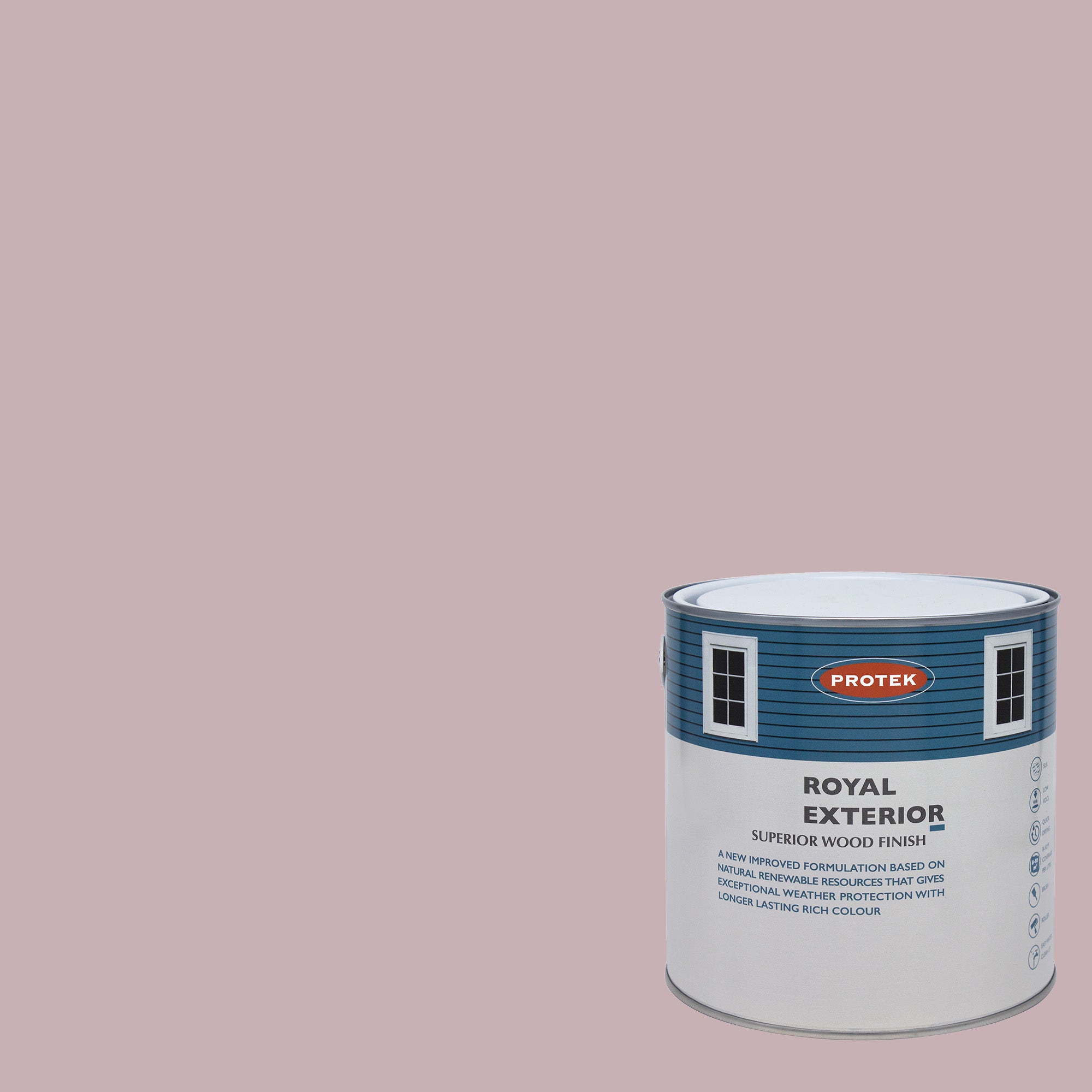
Kate recommends either making your own or buying a wooden box and then treating it to protect it, with Protek Royal Exterior paint. It’s a very high-quality, expert product made in the UK and most importantly 100% wildlife-safe once dry. Treating the nest box is very important as it prevents rot, mould, damp, and makes cleaning a breeze. This will not only look spectacular for the new residents but will enhance your outdoor space.
2.Commit to regular maintenance
Every year, once cleaned out at the end of the season, give your nestbox a new coat of Protek Royal Exterior for protection. Repainting every year will maintain your nestbox’s longevity, protecting the wood and ensuring birds can safely nest in your garden for years to come.
3.Experiment with bird nest box colours
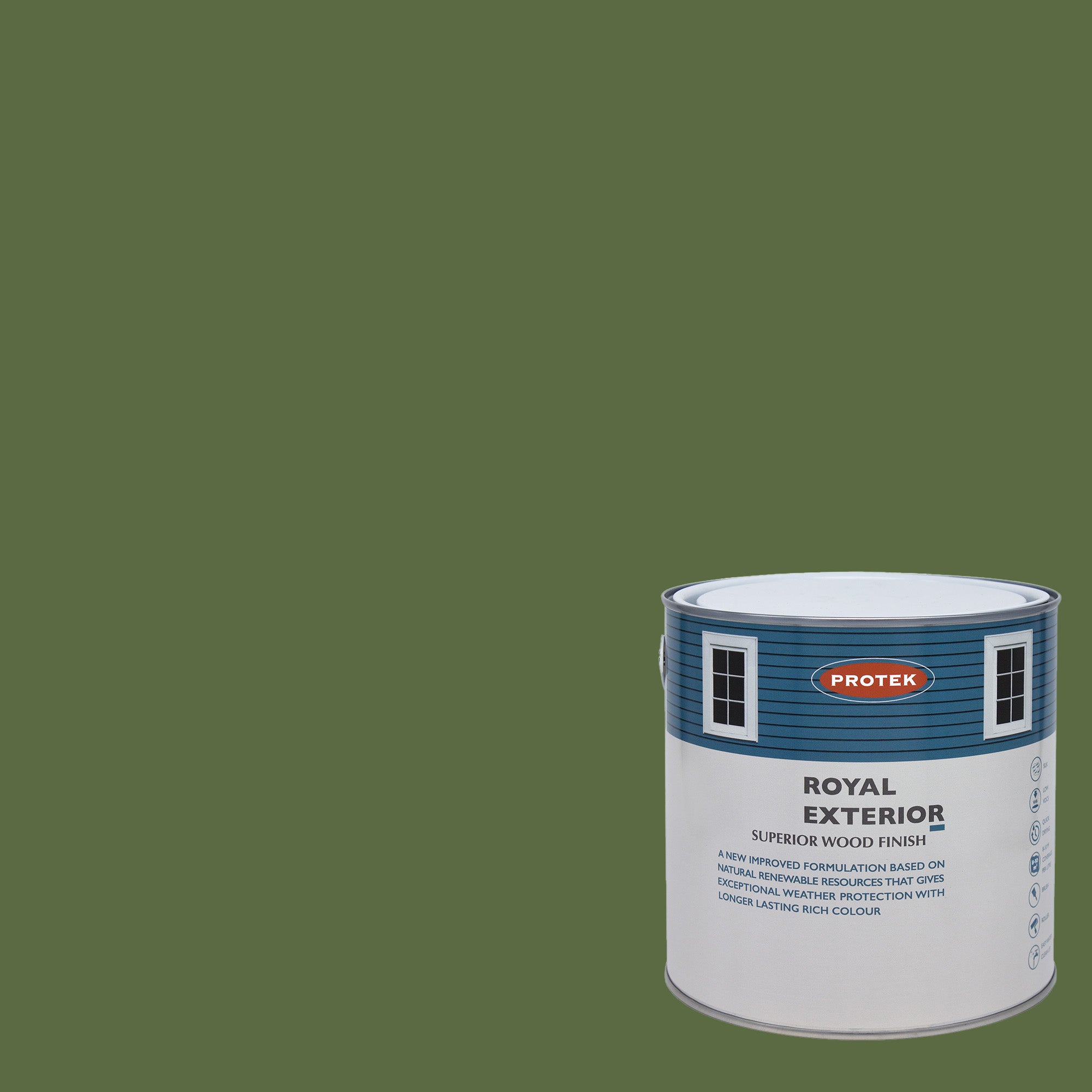
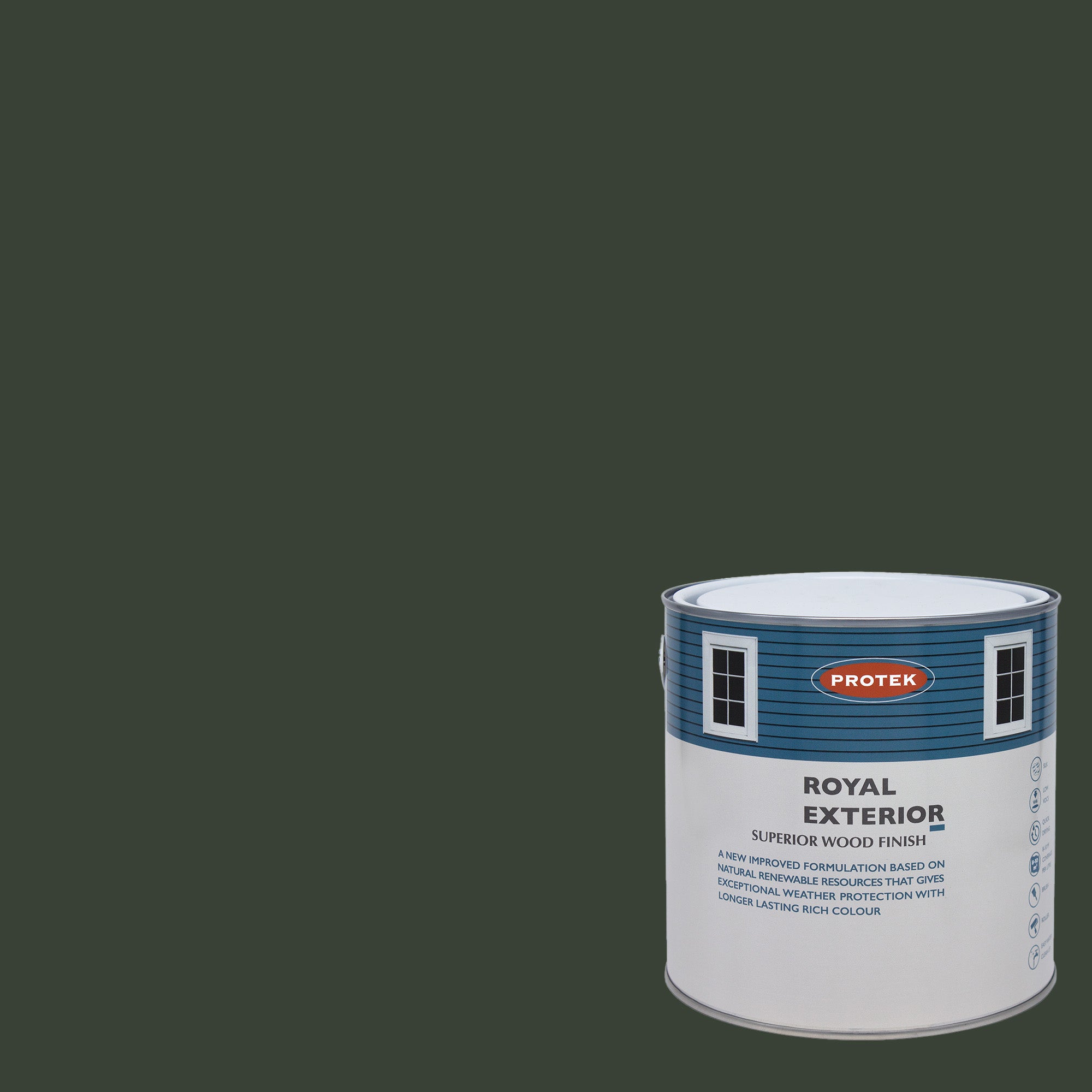
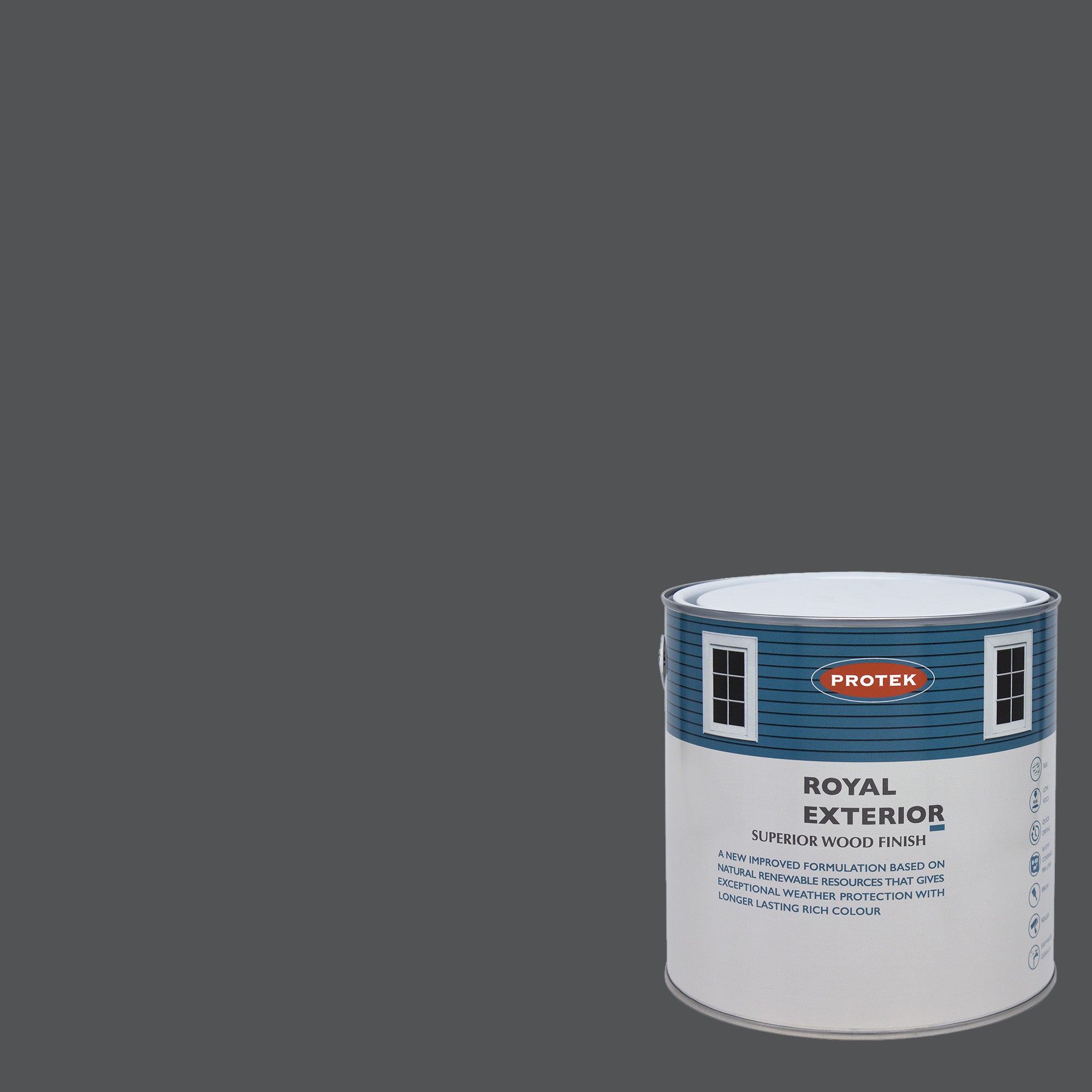
“Sprucing up a nest box and protecting with Protek Royal Exterior is fun, economical, quick and easy using a small sample tin - £3.96 (plus P&P). Or it is possible to coordinate nest box painting when protecting other larger garden structures, e.g. sheds or fencing, and use any left-over product to protect bird nesting boxes. Birds are generally drawn to bright, high-energy, and vibrant colours, as their tetrachromatic vision allows them to see UV light, red, green, and blue, often with higher acuity than humans. However, for nesting boxes, natural tones like grey, green or brown will help birds feel safe and restful as they blend into the environment and some could even be alarmed with the colour white.” says Becky Rackstraw, Director at Protek.

4.Interior nest box hygiene and materials
Leave the inside of the box empty - birds are fussy decorators and prefer to build their own nests. If you want to give them a helping hand, you can put out natural nesting materials in your garden for the birds to use in old feeders or even in a whisk! Keep to natural materials like sheep wool, grass and moss and you can use your pet hair as long as you have not treated your animal for fleas. The chemicals in flea treatments are present in hair and have been proven to affect the eggs and young. At the end of summer, clear out the box, sweeping out the old nest as this can harbor mites. Give the nest box a swill out with boiling water and then allow it to dry out.
Smart Bird Feeding & Winter Survival
Hygiene is the priority at the bird buffet. Dirty feeders spread disease, so follow these golden rules:
• Use the right kit: Use high-quality feeders that dismantle fully for a weekly scrub.
• Ensure small bird safety: Place feeders inside a repurposed dog crate to let the little ones in while keeping squirrels and pigeons out.
• Provide water in winter months: During cold snaps, provide a daily supply of fresh, clean water.
WildlifeKate says: “I have fed the birds all my life and, if done sensibly, along with trying to plant species in the garden that also attract birds, they can support species that struggle when natural foods become scarce in Winter. The most important thing to consider is hygiene.
I recommend having just a couple of high-quality feeders that come apart completely for cleaning. Feeders should be thoroughly cleaned every week, and I wipe down all the ports and perches every day.
There are many diseases that can be passed around dirty feeders, causing death to species that we actually wanted to help. Move the feeders around the garden or clear up food under the feeders regularly as well.”
Kate also suggests, “surface feeding, such as on bird tables, is discouraged and wooden surfaces are difficult to clean, causing food to get wet and mouldy. If you want to have a small surface area to feed birds from, I recommend treating it with a quality, safe product that protects the wood and allows you to clean it off regularly, and I mount a small dish there that I can remove easily to clean. Painting them with the Protek Royal Exterior gives me the confidence that I can keep the clean and they look great too! I also mount feeders inside a repurposed dog crate, with a plastic lid. It keeps squirrels and large birds off, but smaller birds can fit through the mesh!
Feeding sensibly and safely and providing the best spaces (which are also used for winter roosting!) are all ways we can support the birds through cold and wet winters. Keeping a fresh supply of clean water free from ice is another lifesaver. Again, remember that hygiene is paramount and clean the dish and put fresh water out daily.”
Types of food that are best for birds:
Remember, cheap feeders that don’t come apart will become dirty with mouldy food and are a prefect breeding ground for diseases that could actually kill the birds you are trying to help!
- Cheap feeds are full of fillers like wheat, that offer little sustenance for birds. It is better to have one good quality, clean feeder, with a high-quality bird food. Sunflower hearts, sunflower seeds, suet pellets and balls (the soft putty-like ones) are all good options.
- Peanuts dispensed in a suitable feeder where they cannot be removed whole are a good high energy food.
- Mealworms dried or live are great options for birds. Dried mealworms are easier to feed in winter and can be soaked. Live mealworms are great in the Spring when adults are feeding young.
- Apples, especially if they are little old, are welcomed by the thrush family. Blackbirds love them, along with blackcaps.
We hope you can enjoy the opportunity to support birds and enjoy watching and learning amazing species in your outside space – giving back to the environment and having fun whilst doing it!
Follow Kate MacRae and watch her wildlife video feeds - @thewildlifekate or www.wildlifekate.co.uk. Find out more about Protek products – Royal Exterior is safe, when dry, to use around wildlife and expertly made by a family business in Somerset. Please do get in touch if you have any queries or need product help regarding wildlife.